
Synapsyl, formulated by the NHCO Nutrition laboratory, combines about ten active ingredients targeting nervous balance: magnesium, zinc, L-tryptophan, L-phenylalanine, taurine, acetyl-L-carnitine, rhodiola, bacopa, eleutherococcus, hawthorn, valerian, vitamins B and D, selenium. This density of ingredients, often presented as an asset, poses a pharmacological problem that most product sheets do not address.
Pharmacological interactions between the active ingredients of Synapsyl and psychotropic treatments
The simultaneous presence of L-tryptophan, rhodiola, and valerian in the same capsule creates a favorable ground for drug interactions. L-tryptophan is a direct precursor of serotonin. When combined with a selective serotonin reuptake inhibitor (SSRI), it can contribute to serotonin excess.
Rhodiola, classified among adaptogens, has an inhibitory activity on monoamine oxidase. This property makes it incompatible with several families of antidepressants, particularly MAOIs and certain SSRIs. Valerian, for its part, enhances the effect of sedatives and benzodiazepines.
ANSES reminds us that plant-based supplements can interact with psychotropic, anticoagulant, or immunosuppressive treatments. These products should not be taken lightly by individuals on ongoing treatment. We systematically recommend medical advice before any combination, even though Synapsyl remains available over the counter.
To better understand the potential dangers of Synapsyl, it is necessary to examine this issue of interactions on a case-by-case basis, depending on the treatment already prescribed.
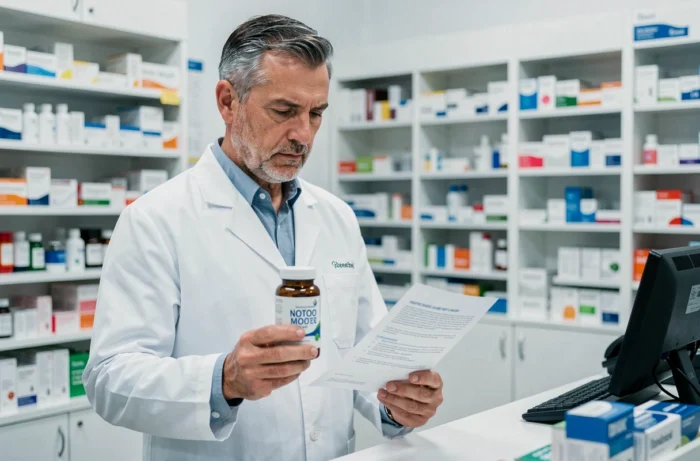
Synapsyl and nutrivigilance: a supplement on the radar of health authorities
Neurotropic dietary supplements are subject to enhanced monitoring by nutrivigilance systems. This category, which includes products marketed for stress, sleep, or cognitive functions, has seen a growing number of reports of adverse effects.
Synapsyl falls within the exact scope of this enhanced monitoring. Authorities are particularly interested in multi-ingredient formulations, where the additive or synergistic effects between active ingredients complicate the identification of the substance responsible for an adverse effect.
The problem extends beyond the French regulatory framework. Several health agencies worldwide have tightened their requirements regarding health claims for supplements targeting mental well-being. The trend is towards a reevaluation of files, with increased attention paid to the clinical evidence behind each claim.
What the status of a dietary supplement does not guarantee
A dietary supplement is not subject to the same constraints as a medication in terms of proof of efficacy and pharmacovigilance. The absence of marketing authorization does not mean absence of risk. The manufacturer is responsible for the safety of its product, but no randomized clinical trial is required before marketing.
This distinction is fundamental. A user purchasing Synapsyl at a pharmacy may legitimately assume that the product has been clinically validated. This is not the case in the pharmaceutical sense of the term.
Documented adverse effects of the ingredients in Synapsyl
The side effects reported by users and documented in the literature for the active ingredients present in Synapsyl deserve examination by category.
- Valerian and hawthorn: daytime drowsiness, digestive disorders, headaches. Valerian can also cause a rebound effect upon cessation after prolonged use, mimicking mild withdrawal symptoms.
- L-tryptophan: nausea, diarrhea, dizziness. At high doses or combined with other serotoninergic precursors, the risk of serotonin syndrome exists, although it remains rare in monotherapy.
- Rhodiola: insomnia, irritability, increased blood pressure in predisposed individuals. The combination with eleutherococcus, another adaptogen present in the formula, may amplify these stimulating effects.
- High-dose magnesium: osmotic diarrhea, abdominal cramps. The tolerance threshold varies depending on the chemical form used.
We observe that the combination of these active ingredients in a single formulation makes it difficult to attribute an adverse effect to a specific ingredient. This is a classic pitfall of multi-component supplements.
Synapsyl and prolonged use: the risk of behavioral dependence
Valerian and adaptogens like rhodiola do not cause pharmacological dependence in the strict sense. The risk lies elsewhere: behavioral dependence where the supplement replaces appropriate medical follow-up.
A user suffering from chronic anxiety or persistent sleep disorders may delay a consultation by turning to Synapsyl. This diagnostic delay poses an indirect but real danger, especially when symptoms mask an underlying pathology (depression, generalized anxiety disorder, thyroid dysfunction).
Duration of treatment and absence of follow-up protocol
The manufacturer recommends defined duration treatments, but nothing prevents continuous purchase without medical oversight. Prolonged self-medication with neurotropic active ingredients exposes users to poorly evaluated cumulative effects. In the absence of clinical trials on use exceeding a few months, long-term safety data remain sparse.

The density of Synapsyl’s formulation, far from being a guarantee of quality, multiplies points of vigilance. Each added ingredient is an additional vector for interaction and adverse effect. For individuals on medical treatment, the safest reflex remains to present the complete composition to a pharmacist or doctor before the first dose.