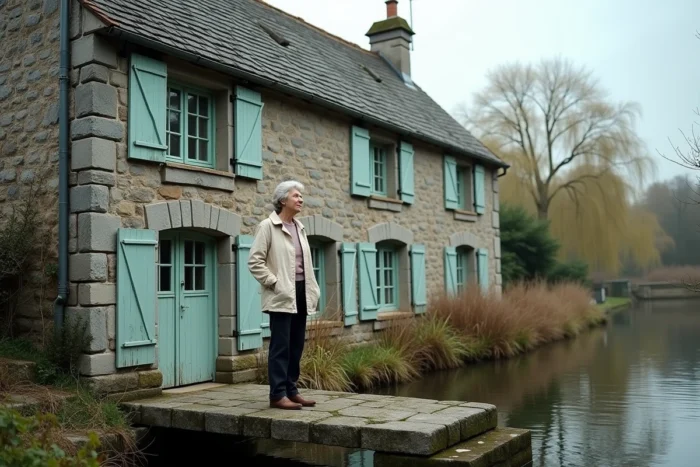
The Brittany Region is multiplying calls for projects to revitalize its lock houses. These small stone buildings, built along the Ille-et-Rance or Nantes to Brest canals, attract a variety of tourism project leaders. The emerging economic model does not rely on a traditional real estate purchase, and regulatory constraints weigh as heavily as the opportunities.
Temporary Occupation Agreement: The Legal Framework That Changes Everything
The Breton lock houses belong to the regional public domain. They are not sold on the free market. Access is through a temporary public domain occupation agreement, a mechanism that sets the duration of operation, the obligations for heritage enhancement, and the conditions for the return of the property.
This mechanism presents a direct advantage for the investor: no real estate acquisition cost to finance. Funds are focused on renovation, interior design, and launching the tourism activity. However, the limited duration of the agreement requires building a business plan where the amortization of the works coincides with the authorized operating period.
Applications go through calls for projects launched jointly by the Region and the relevant community councils. The one for Brittany Romantique, for example, concerned three lock houses located in Trévérien, Tinténiac, and Hédé-Bazouges, along the Ille-et-Rance canal.
The selection is primarily based on the quality of the project and the motivation of the team, more than on raw financial capacity. Several project leaders interested in a lock house for sale in Brittany on Immobilier Hebdo are discovering this operational model, which is quite different from a traditional real estate transaction.
Profitability of a Tourism Project in a Lock House: The Decisive Variables
The profitability of a lock house transformed into a tourism activity depends on factors that project leaders often underestimate. The first is the marked seasonality of river tourism in Brittany. Canal traffic peaks between April and September. Off-season, visits drop significantly, which reduces the potential clientele for accommodation or dining.
The second factor concerns the size of the buildings. Lock houses are modest constructions, often limited to a ground floor and one upper floor. The limited living space restricts the number of covers, rooms, or activity areas. A guest room project is limited to one or two units, which caps revenue.
Diversifying Revenue Sources to Compensate for Seasonality
Catherine, who took over a lock house on the Ille-et-Rance canal, explained that renting bikes and boats helps to compensate for the low periods of accommodation. One activity must compensate for another, according to her feedback shared by the local press. The combination of accommodation, equipment rental, and light catering forms the most common triptych in selected projects.
The communities also expect candidates to contribute to the site’s animation beyond mere commercial logic. The calls for projects mention objectives of supporting boating, innovating in services for canal users, and contributing to the cultural development of the area. These obligations, while enriching the offer, also increase the project leader’s workload.
Heritage Obligations and Renovation Constraints
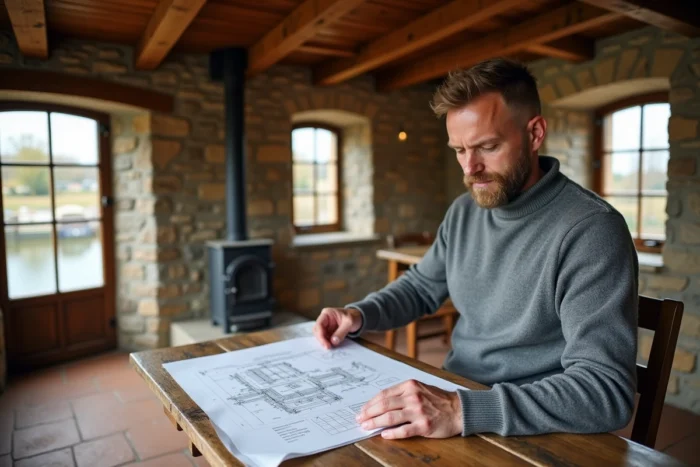
Investing in a lock house means agreeing to restore an old building located in the public river domain. The works must respect the heritage character of the site. Candidates are not free to modify the façade, raise the building, or add extensions without prior approval.
The available data does not allow for precise estimation of the average renovation cost, as each house presents a different condition. Some still have a bathroom and a functional living space, while others require a complete overhaul of water and electricity networks. The diagnostics provided during the calls for projects mention the state of the building, but field feedback varies on the reliability of these initial assessments.
- Compliance works (accessibility, fire safety, sanitation) often represent the heaviest budget item, even before tourism development.
- The agreement generally requires returning the property in good condition at its end, which means budgeting for maintenance costs throughout the operating period.
Experiential Tourism on Breton Canals: What Communities Are Looking For
Recent calls for projects show a clear orientation towards experiential tourism and slow tourism. The Brittany Region is not simply looking to fill vacant buildings. It wants projects that enhance the overall attractiveness of the canals, in line with a strategy for promoting river heritage.
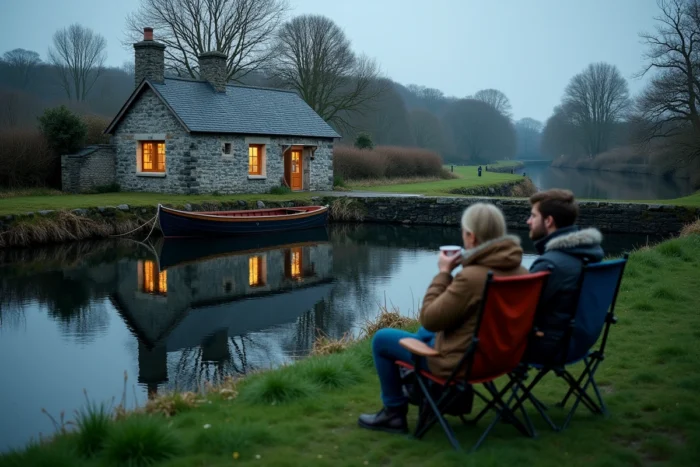
The projects selected in recent years share a common point: they offer immersion in the canal’s living environment. Sleeping in a lock house, renting a canoe to explore the nearby stretch, discovering how locks work, buying local products on-site. The tourism activity must be rooted in the place, not just occupy it.
This requirement filters applications. A purely hotel project, without a connection to the life of the canal, is unlikely to be selected. The selection criteria published in the specifications give significant weight to innovation, services for canal users, and contributions to territorial development.
- Projects incorporating boating (boat rentals, welcoming pleasure boaters) benefit from an advantage in evaluation.
- Cultural or educational activities related to canal heritage are explicitly encouraged.
- The candidate’s ability to animate the site year-round, including off-season, is a differentiating criterion.
The model of the lock house in Brittany relies on a delicate balance between low entry cost, strong heritage constraints, and pronounced seasonality. Successful project leaders are those who accept a life change as much as a financial investment. The legal framework of the temporary occupation agreement protects public heritage, but it also imposes a management discipline that not all candidates anticipate.