
Declining a wedding invitation or notifying of one’s absence after having confirmed attendance are two distinct situations, each requiring a different approach. The common point: the speed of the message and its sincerity matter more than the length of the justification. Apologizing for an absence from a wedding is based on a simple principle: to preserve the bond with the couple without adding to their mental load before or after the big day.
The timing of the notification changes everything in the perception of wedding apologies
A couple’s reaction to an absence depends less on the reason given than on when they are informed. Three situations arise, and they do not call for the same tone.
The first occurs before the invitation, during the informal phase when the future newlyweds are gauging their close ones. Declining at this stage is the simplest case: a call or a message is enough, and most couples do not hold it against you since the guest list is not yet finalized.
The second occurs after receiving the invitation. The couple has incurred catering, seating, and sometimes logistical expenses. Responding quickly via the RSVP card or a structured email allows the couple to reorganize their seating plan without additional stress. Formulating wedding apologies on Esprit Mariage can help find the right tone for this step.
The third, the most delicate, concerns withdrawing after confirming attendance. The couple was counting on you, the caterer has prepared your plate, and your name is on the seating plan. In this case, a direct phone call (not a text) followed by a written note is the minimum expected.
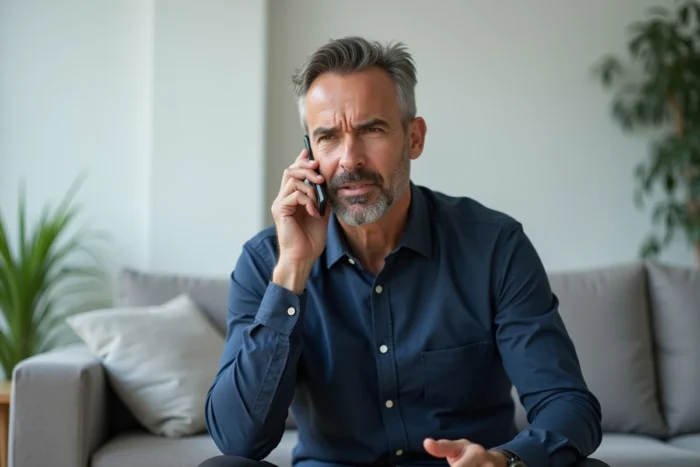
Wedding absence apologies: what to say and what to avoid
The current trend in etiquette clearly leans towards sobriety in justification. Saying “I unfortunately will not be able to attend” or “I have a commitment that I cannot change” is considered sufficient and respectful. No obligation to detail the reason in depth.
Providing too many details often has the opposite effect of what is intended. A long paragraph explaining why your cousin needs you the same weekend or why your finances are tight puts the couple in an uncomfortable position. They do not know how to respond, and the message resembles more of a plea than an apology.
Three elements to always include
- Sincere congratulations addressed to the couple, expressed before or after the apology itself, so that the message does not revolve solely around your absence
- A clear expression of your regrets, without dramatizing or minimizing: “I am sincerely sorry not to be able to be there” covers almost all situations
- An invitation to share a moment after the wedding, such as a dinner or a drink to celebrate together at another date
This last point is often overlooked, yet it makes all the difference. Proposing a concrete moment after the ceremony transforms a refusal into a promise.
Letter, email, or call: which channel to use to apologize for an absence
The choice of channel depends on your closeness to the couple and the time you have. The implicit rule is simple: the closer the relationship, the more personal the channel should be.
For a long-time friend or family member, a phone call remains the most appreciated gesture. The voice conveys nuances that writing cannot reproduce. The call can then be followed by a handwritten note or an email, which serves as a written record and a reminder of your congratulations.
For an acquaintance or colleague, a well-written email or a written response to the invitation is perfectly suitable. The tone should remain warm without crossing into excessive familiarity.
The two-step approach
Recent etiquette guides recommend a two-step method: first, a direct contact (call or personal message) as soon as the decision is made, followed by a written confirmation (posted card, email, response to the invitation). This approach shows that the absence is not taken lightly, without turning the situation into a dramatic event.
The speed of the message matters more than its form. Notifying three weeks before the wedding with a simple text is better than sending a beautiful handwritten letter five days prior.

Wedding apology text: a model adaptable to the situation
Writing an apology text does not require literary talent, but a clear structure. Here are the components of a message that works, regardless of the medium:
- An opening sentence that names the event and the couple: “Dear Paul, dear Sophie, it is with much regret that I write to you regarding your wedding on September 14”
- A sober apology sentence, without excessive details: “I unfortunately will not be able to be by your side that day”
- A passage of congratulations that shows your attention: “I am so happy for both of you, and I can’t wait to see the photos and toast with you very soon”
- A concrete proposal for the future: “Could we meet the following weekend to celebrate together?”
This model works equally well in an email as in a handwritten card. Adapting it to the tone of your relationship (using first names, formal address, measured humor) will give it a personal touch.
The case of the gift
Sending a gift from the wedding registry or a personal gesture accompanied by your note of apology reinforces the sincerity of the message. The gift does not compensate for the absence, but it shows that the couple remains in your thoughts. Sending it before the wedding rather than after is generally better received, as it arrives when the couple is opening their gifts and thinking of their loved ones.
The trap to avoid: giving a gift without any accompanying note. An object without personalized text comes across as a mechanical gesture, almost administrative. A few handwritten lines slipped into the package are enough to change the perception.
Missing a wedding is not a fault. The vast majority of couples understand the constraints of their guests, as long as they are notified early and with consideration. A brief, sincere message sent promptly protects the relationship much more effectively than a long letter of excuses sent too late.